In February, I was able to travel to Los Chiles, a town several hours north of Monteverde. It is a sleepy little town of under 40,000 inhabitants, located right on the border with Nicaragua.
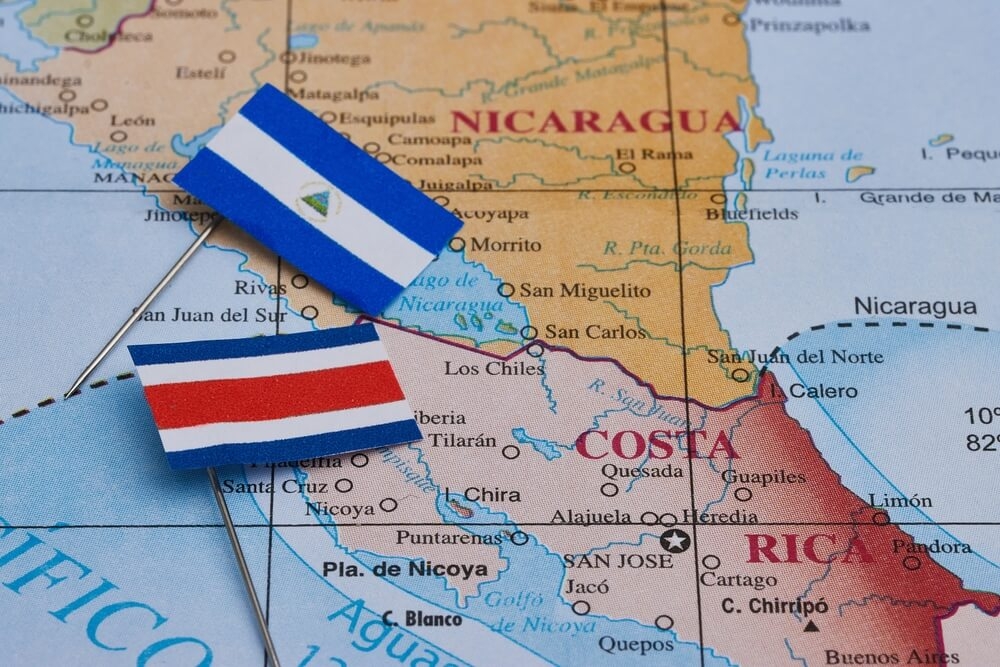
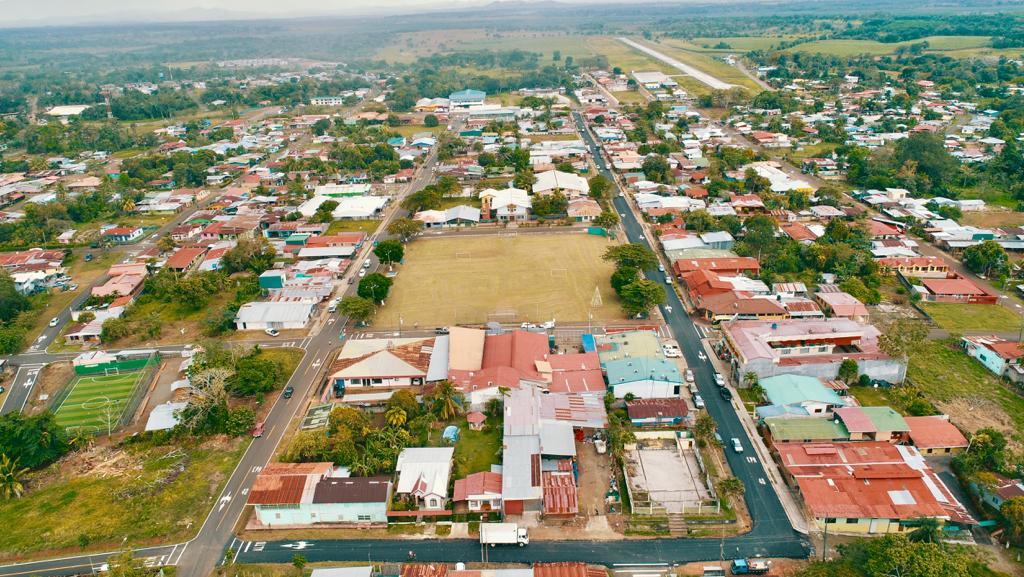
Because it is a border town, Los Chiles has a long history of migration. For decades, many Nicaraguans have crossed through Los Chiles into Costa Rica to work and then return home. But in 2022, Los Chiles suddenly found itself thrust into the middle of a story of global migration.
The Venezuelan Exodus
For many years, Venezuela had welcomed migrants and refugees from other South American countries. But in 2015 that changed, when a crash in global oil prices sent the Venezuelan economy into a steep depression. This economic crisis coupled with political upheaval made everyday life increasingly difficult for many Venezuelans. Rampant crime, food scarcity, and human rights violations forced many Venezuelans to flee. By the end of 2024, almost 8 million Venezuelans had fled the country, making it the largest displacement in recent Latin American history.
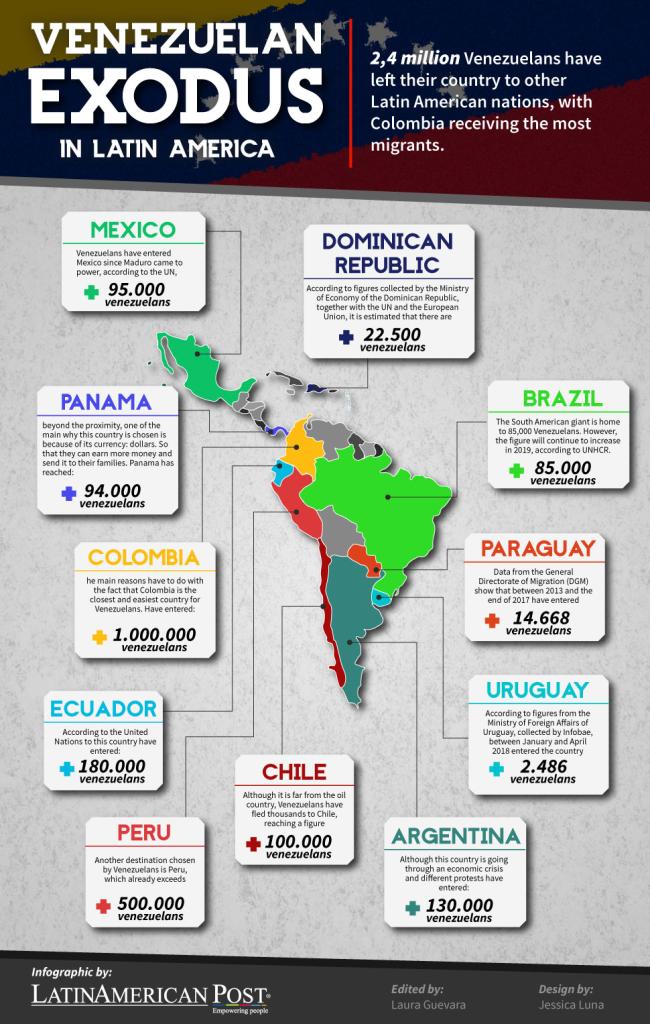
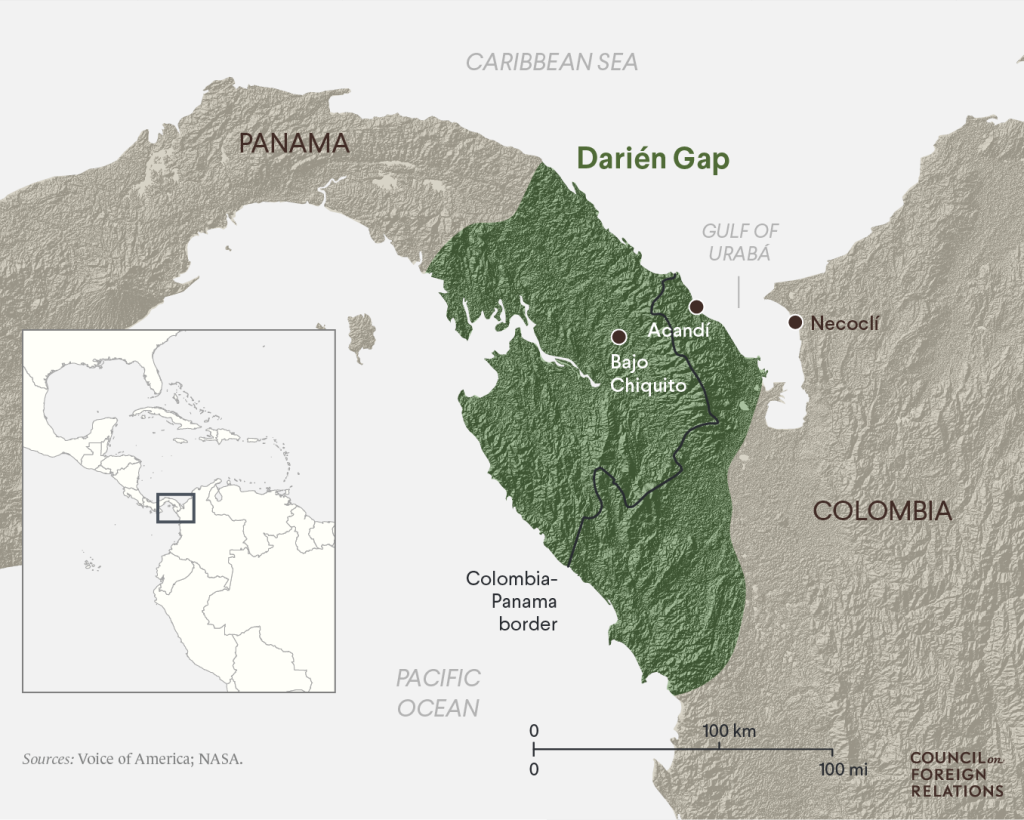
While many of these refugees traveled to neighboring South American countries, others decided to travel North towards the United States and the hope of the American Dream. As the crisis deepened, opportunities for legal travel for Venezuelans began to close down, forcing ever more migrants to turn to the dangerous trip by land through the Darién Gap, a remote region on the border between Colombia and Panama. There are no roads through this region, due to the harsh terrain of dense rain forest, steep mountains, rivers, and swamps. For migrants, often families with children, traveling on foot through this route is traumatizing at best, life-threatening at worst.
If they survived the Darién, migrants continued on their journeys through Panama and then arrived in Costa Rica. In late 2022, in an effort to pass off responsibility for these migrants and move them through Costa Rica as quickly as possible, the government arranged a bus that migrants could take (for a cost of $40/person) from the southern border at Paso Canoas to the northern border at Los Chiles.
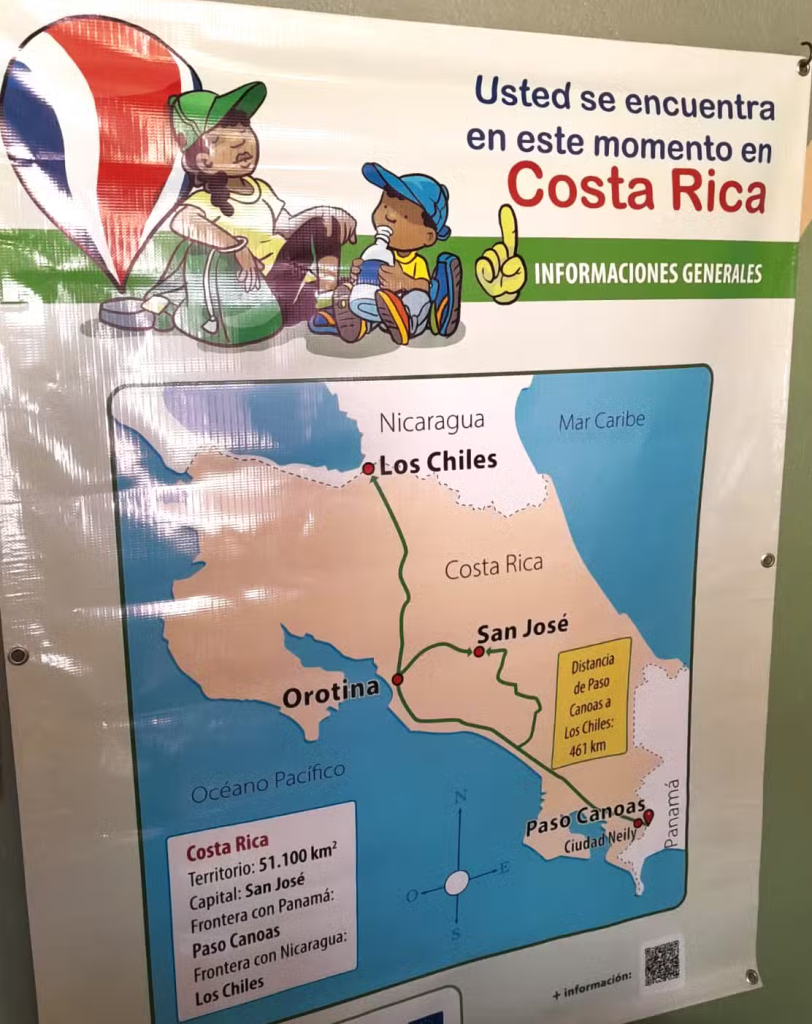
Suddenly this small town, with no infrastructure, was receiving ten buses a day filled with hundreds of desperate and exhausted refugees, many traumatized from their journey.
Welcoming the Stranger
For residents of Los Chiles, this influx of refugees changed their everyday lives. Exhausted migrants slept outside on the sidewalks wherever they could find space. The nearby river, a favorite respite spot for locals, was used by migrants to bathe and wash their clothes. And every time locals went to the grocery store there would be multiple people outside begging for money for food.
Many locals responded with anger and frustration, but some saw the desperate situation of the migrants and responded with kindness. Two women started a grassroots effort to collect food and cook meals to distribute. Every evening after work, they would go home and cook enormous pots of rice, beans, and vegetables, which they would then take to the bus station. Sometimes, they would be up until 1 in the morning distributing meals, and then would have to face the mountain of dishes. This group eventually became formalized as “Mano Amiga” (Friendly Hand).
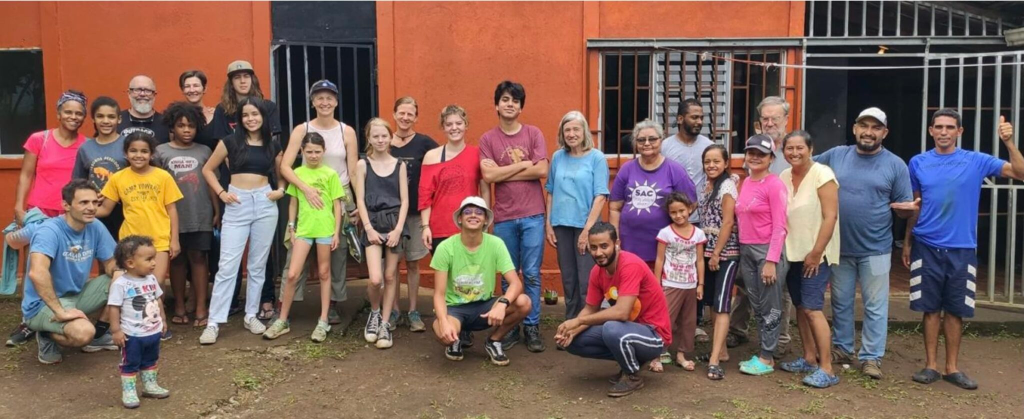
In early 2023, the Peace and Social Concerns Committee of the Monteverde Friends Meeting established contact with Mano Amiga, and since that time, they have done what they can to support these efforts through fundraising. Each year, they also have taken groups of families and young people from the Meeting and the Friends School to Los Chiles to volunteer cooking and distributing meals. They have also helped to support a small shelter, providing mattresses, painting the walls, and doing other maintenance tasks.
Over the years, larger organizations like the UN High Commission on Refugees and the International Organization for Migration arrived in Los Chiles to provide more support for migrants moving through the region. They set up shelters, health services, and other programs especially for children and families. Sometimes these programs coordinated with Mano Amiga, but they also sometimes ignored and sidelined the efforts of these local groups.
Los Chiles in 2026
In February, when I traveled to Los Chiles with three other members of the Peace and Social Concerns Committee, the situation on the ground was radically different, due to US policy changes since Trump took office in January 2025. One of his first actions in office was to take the CBP One App offline. Originally launched in 2020, CBP One was expanded during the Biden administration to allow prospective migrants to book appointments to appear at a port of entry. When the Trump administration shut down the application, they cancelled thousands of appointments that had been made by migrants who were waiting in Mexico for a chance to plead their case and possibly gain entry into the United States.
Seeing the impossibility of continuing their journeys North, and having used up what little resources they had, many migrants have made the difficult decision to return home. Over the past year, hundreds of migrants have begun to retrace their long journeys overland, but with fewer resources and accumulated trauma, often full of despair and worry about the future that awaits them.
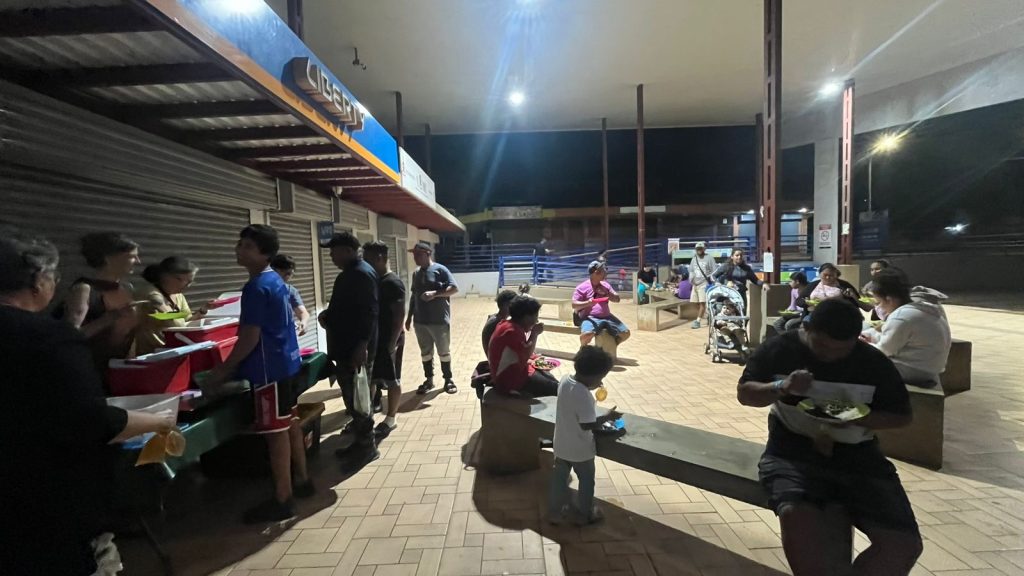
During our visit, we met with members of Mano Amiga and helped prepare and serve dinner at the bus terminal. Instead of hundreds of migrants, we only served about 50 people, most of them families. Of those we talked to, only a handful were journeying North. Most others were returning to their home countries.
The following day, we visited Casa Esperanza, a more formal shelter that had been built and maintained by international aid organizations. We met a young couple from Venezuela who were just arriving at the shelter with their 4-year-old son. They told us that they had spent 2 years in Colombia before deciding to make the trip North to the US. It took them 2 months to make the trip and reach Northern Mexico, where they requested an appointment through the CBPOne App. They had been waiting for 1 year and 10 months when their appointment was cancelled in January 2025. So now they were making the return journey back to Venezuela. As a parent, my heart broke especially for this young child who has spent his entire life as a migrant, most of it on the road without a home.
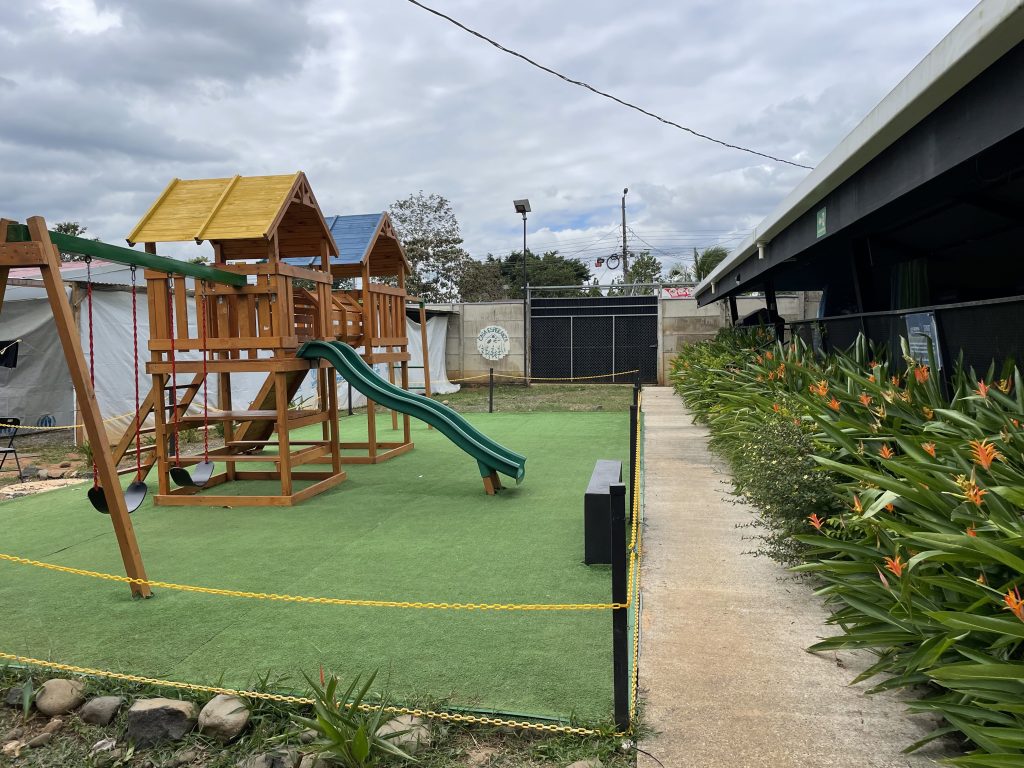
Like everyone we met in Los Chiles, migrants today are making these journeys in even more difficult conditions. This family had been selling candy on the street in each city they arrived at, often taking weeks to earn enough money to pay for the next leg of their trip. And many of the humanitarian organizations that used to provide shelter and support to those in transit are no longer in operation. Again, this was due to US policy: when the Trump administration slashed US AID funding, this cut nearly 40% of all humanitarian aid worldwide.
Signs of this shortfall were evident everywhere in Los Chiles. Casa Esperanza, the shelter in town, had remained closed for much of the year, and had only just reopened its doors, but only for families with children. Another aid organization had set up a health station and food truck at the bus station to provide meals and vital emergency and mental health care to migrants. Both of these remain shuttered.
Who remains
And yet, Mano Amiga has remained steadfast in their support for migrants. Whenever possible, they still cook food and distribute meals at the bus station. The informal shelter run by residents of Los Chiles has remained open, often providing the only place where weary migrants can find a safe place to rest.
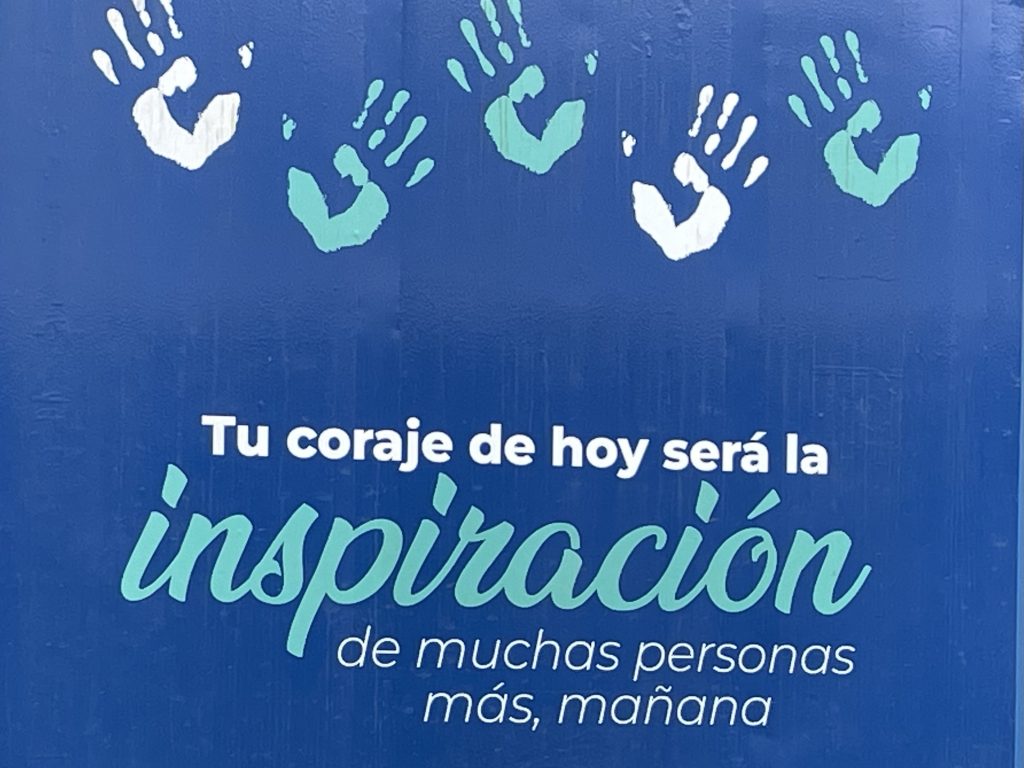
And Mano Amiga has expanded their work to serve the increasing number of migrants who have nowhere else to go and have decided to settle in Los Chiles. As of last December, this included about 80 individuals, mostly from Venezuela. They find temporary work when they can, often in exploitative conditions, while working to formalize their legal status in Costa Rica. In the meantime, they rely on the support of Mano Amiga. In addition to cooking meals, the group is also hosting regular workshops for women from these families, where they learn a craft or other marketable skill.
We went to one of these workshops on our visit, where women had been learning how to make soaps. Over lunch, we chatted about possible topics for future workshops and several migrant women offered to teach the skills they had: sewing, crocheting, and making bread. One of the founders of Mano Amiga turned to me and said “Cuanto talento. Cuanto talento desperdiciado!” (How much talent. How much wasted talent!).
This comment has stayed with me in the weeks since our visit to Los Chiles. Immigration policy like that of the Trump administration views migrants only as threats, whereas humanitarian organizations all too often only see them as victims in need of help. What gets lost in both of these views is the full humanity of migrants and refugees who have so much to offer. I dream of a world where people’s skills and abilities, dreams and hopes, are welcomed no matter where they are or where they are from. If you share this dream, please continue to support the many amazing organizations – in your community and around the world – that work with migrants and refugees.
If you wish to donate to the work of Mano Amiga, you can send a contribution to the Peace and Social Concerns of the Monteverde Friends Meeting, earmarked for “Los Chiles”.
Leave a Reply